
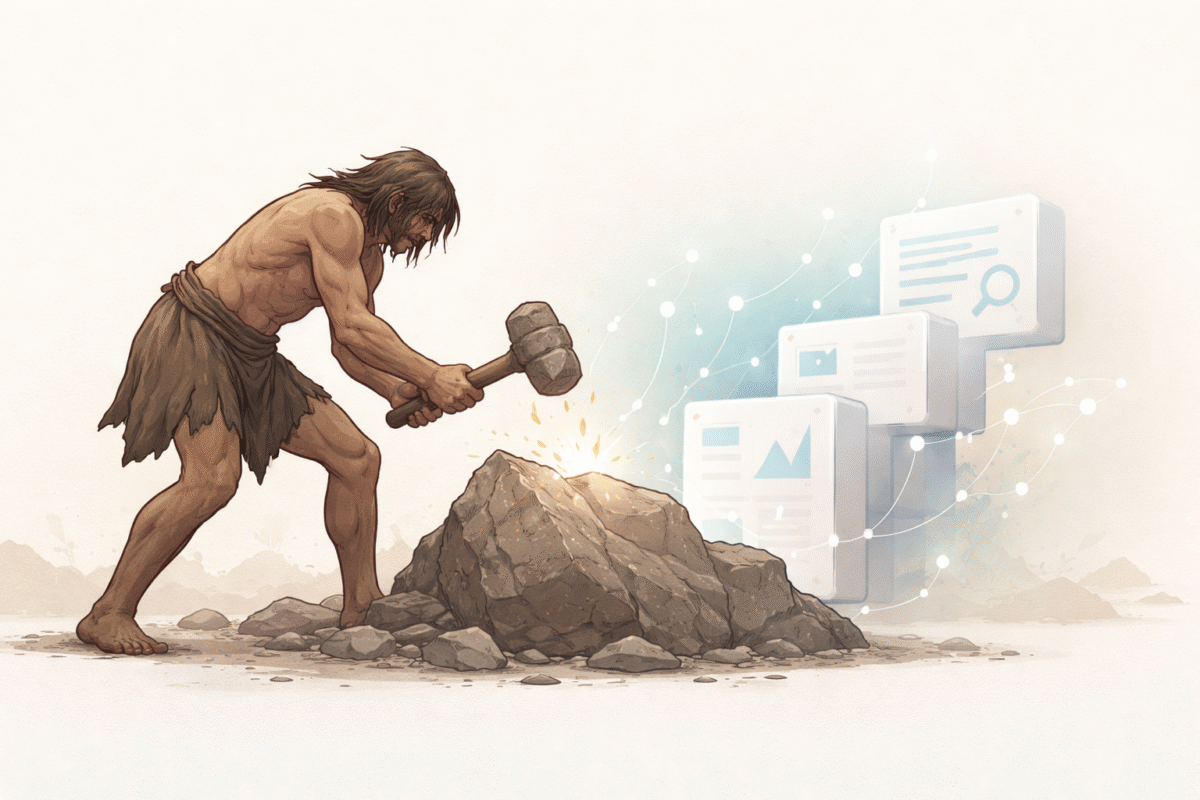
AI improves SEO by transforming manual data collection into automated, predictive intelligence. In 2026, it is used to align website architecture and content with the specific retrieval patterns of both traditional algorithms and modern AI answer engines.
1. AI-Based Strategic Research & Intent Modeling Tactics for 2026
- Semantic Research & Topic Gaps: In 2026, AI identifies “topic gaps” by analyzing top-ranking pages. It suggests specific entities and related terms required for a page to be considered a topical authority.
- Predictive Keyword Research: AI processes massive historical and real-time datasets to identify emerging long-tail keywords and predict search trends before they become overly competitive.
- User Intent Matching: AI categorizes queries into informational, transactional, or navigational intents. This allows for structuring content (e.g., using direct definitions or tables) that precisely matches the user’s journey.
- Deep Intent & Topic Clustering: AI groups keywords into semantic clusters and maps them to pillar pages, ensuring full topical coverage. This moves SEO from single-keyword targeting to intent-led content architecture aligned with voice search and AI answer engines.
2. AI-Powered Content & Technical Optimization Strategies for 2025-2026
- Content Generation & Grounding: In 2025, AI assists in drafting outlines, meta tags, and image alt-text. It formats content into concise “chunks” optimized for Retrieval-Augmented Generation (RAG), increasing the likelihood that AI search engines like Gemini will cite your site.
- Automated Technical SEO: AI agents automatically generate structured data (JSON-LD Schema), perform high-speed audits for broken links or crawl errors, and optimize site architecture to improve crawl efficiency.
- User Experience (UX) Analysis: AI analyzes behavior data (like heatmaps) to provide insights on navigation and mobile-friendliness, helping to improve engagement metrics that indirectly boost rankings.
3. AI-Driven Performance & Authority Building Approaches for 2026-2027
- Link Building & Outreach: In 2026, AI identifies authoritative, relevant backlink opportunities by analyzing competitor profiles and can even personalize outreach communication to improve success rates.
- Predictive Analytics & A/B Testing: AI-powered tools track SEO effectiveness in real-time, allowing for data-driven optimizations and A/B testing of headlines or descriptions to prevent content decay.
By using AI, SEO becomes a data-driven discipline that improves decision-making, efficiency, and long-term organic performance with less manual effort.
A more concise and direct answer is here.